Experiencing swelling, discomfort, or tissue protruding from the rectal area can be alarming. Many people immediately assume they have hemorrhoids, but another condition called rectal prolapse can produce similar symptoms. While these two conditions may appear alike at first, they have different causes, require different treatments, and should be evaluated by a healthcare professional.
At California Hemorrhoid Institute, we help patients understand the source of their symptoms and determine the most appropriate treatment. In this article, we’ll explain the differences between hemorrhoids and rectal prolapse, discuss common symptoms, and review when it’s time to seek medical care.
What Are Hemorrhoids?
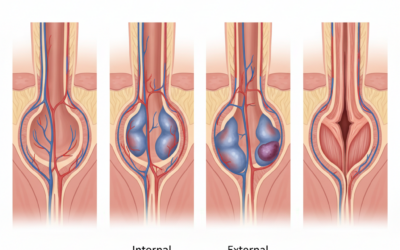
Hemorrhoids are swollen veins located in the lower rectum or around the anus. These veins are a normal part of the body’s anatomy, but they can become enlarged when pressure builds within them.
Hemorrhoids are generally classified into two categories:
- Internal hemorrhoids, which develop inside the rectum
- External hemorrhoids, which form beneath the skin around the anus
Depending on their size and severity, hemorrhoids may cause bleeding, itching, swelling, discomfort, or tissue that temporarily protrudes during bowel movements.
Hemorrhoids are extremely common and often develop as a result of chronic constipation, straining, pregnancy, prolonged sitting, obesity, or aging.
What Is Rectal Prolapse?
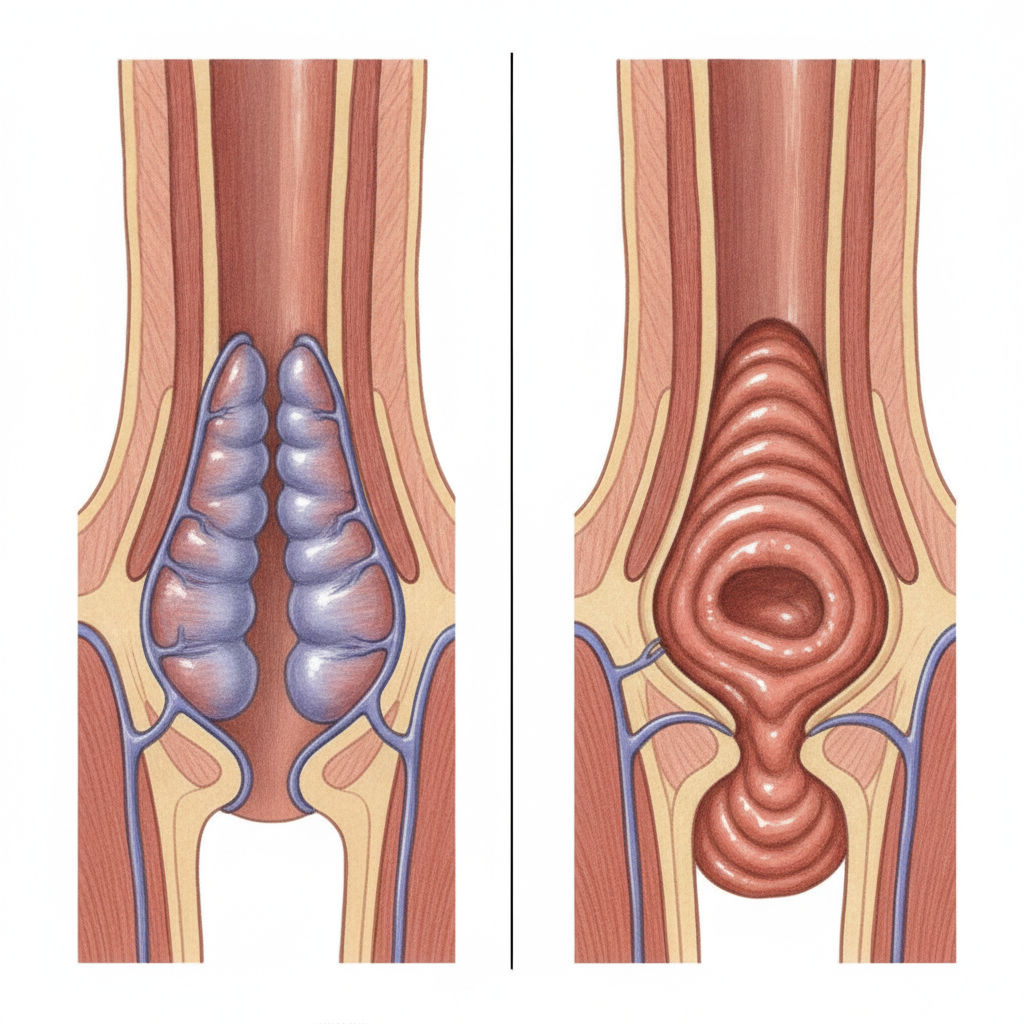
Rectal prolapse is a different condition entirely. Rather than involving swollen veins, rectal prolapse occurs when part or all of the rectum slips downward and protrudes through the anal opening.
This condition develops because the muscles and connective tissues that normally support the rectum become weakened over time. As support decreases, the rectum may gradually move out of its normal position.
Rectal prolapse is less common than hemorrhoids but is more likely to occur in older adults, particularly women, although it can affect anyone.
Why Are These Conditions Often Confused?
Both hemorrhoids and rectal prolapse can cause tissue to protrude from the anus, making them difficult to distinguish without a medical evaluation.
Both conditions may also cause:
- Rectal bleeding
- Discomfort
- Swelling
- Difficulty with bowel movements
- A sensation of tissue outside the anus
Because the symptoms overlap, many patients assume they have hemorrhoids when another condition may actually be responsible.
How the Symptoms Differ
Although there are similarities, several symptoms can help distinguish hemorrhoids from rectal prolapse.
Bleeding
Internal hemorrhoids commonly cause bright red bleeding, particularly during bowel movements. The bleeding is often painless.
Rectal prolapse may also cause bleeding, but it is more commonly associated with irritation of the exposed rectal tissue rather than enlarged veins.
Regardless of the cause, persistent rectal bleeding should always be evaluated by a healthcare provider.
Pain and Discomfort
Hemorrhoids can cause discomfort, especially when external or irritated. However, internal hemorrhoids often produce little or no pain.
Rectal prolapse may create a sensation of pressure, fullness, or discomfort, particularly as more tissue protrudes. Some patients describe the feeling as though something is “falling out” during bowel movements or physical activity.
Protruding Tissue
This is one of the biggest differences between the two conditions.
In hemorrhoids, the protruding tissue is swollen hemorrhoidal tissue. Depending on the severity, it may return inside on its own or require gentle repositioning.
With rectal prolapse, the protruding tissue is actually part of the rectum itself. The amount of tissue may be larger and more circular than what is typically seen with hemorrhoids.
Although patients sometimes try to determine the difference themselves, it is often difficult without an examination.
Bowel Control
Hemorrhoids generally do not affect bowel control.
Rectal prolapse, however, may be associated with:
- Difficulty controlling bowel movements
- Leakage of stool
- Mucus drainage
- Difficulty completely emptying the rectum
These symptoms occur because the normal anatomy of the rectum has changed.
Causes of Hemorrhoids
Hemorrhoids typically develop when increased pressure affects the veins in the lower rectum.
Common contributing factors include:
- Chronic constipation
- Straining during bowel movements
- Pregnancy
- Prolonged sitting
- Heavy lifting
- Obesity
- Aging
- Low-fiber diets
These factors increase pressure within the hemorrhoidal veins, allowing them to enlarge over time.
Causes of Rectal Prolapse
Rectal prolapse develops for different reasons.
Factors that may contribute include:
- Weakening of the pelvic floor muscles
- Aging
- Chronic constipation
- Long-term straining
- Previous pelvic surgery
- Neurologic conditions affecting pelvic muscles
- Childbirth-related pelvic floor injury
Unlike hemorrhoids, rectal prolapse is primarily a structural problem involving weakened support of the rectum.
How Are These Conditions Diagnosed?
Because symptoms overlap, diagnosis should always begin with a professional evaluation.
Your healthcare provider may perform:
- A review of your symptoms
- A medical history
- A visual examination
- A gentle physical examination
- Additional testing when appropriate
In some cases, further studies may be recommended to better evaluate rectal function or rule out other gastrointestinal conditions.
Receiving the correct diagnosis is important because hemorrhoids and rectal prolapse require different treatment approaches.
Treatment for Hemorrhoids
Treatment depends on the severity of symptoms.
Many mild hemorrhoids improve with conservative measures such as:
- Increasing fiber intake
- Drinking more water
- Avoiding excessive straining
- Regular exercise
- Warm sitz baths
If symptoms continue, additional treatment options may include:
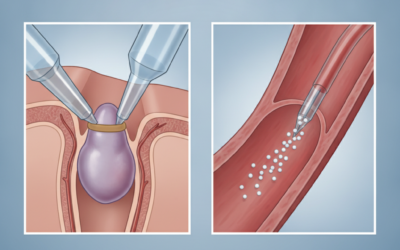
- Rubber band ligation
- Infrared coagulation
- Sclerotherapy
- Hemorrhoid surgery in selected cases
At California Hemorrhoid Institute, we also specialize in Hemorrhoid Artery Embolization (HAE).
This minimally invasive procedure uses image-guided technology to reduce blood flow to the arteries supplying the hemorrhoids. By decreasing the blood supply, hemorrhoids may gradually shrink, and symptoms may improve without the large incisions associated with traditional surgery.
Treatment for Rectal Prolapse
Because rectal prolapse involves displacement of the rectum itself, treatment is different from hemorrhoid care.
Mild cases may sometimes be managed with measures that reduce straining and improve bowel habits. However, many patients with significant rectal prolapse require evaluation by a colorectal surgeon.
Treatment recommendations depend on:
- The severity of the prolapse
- Overall health
- Age
- Symptoms
- Bowel function
A specialist can determine the most appropriate approach based on each patient’s individual condition.
When Should You Seek Medical Attention?
Whether symptoms are caused by hemorrhoids or rectal prolapse, certain signs should not be ignored.
You should schedule an evaluation if you experience:
- Persistent rectal bleeding
- Tissue protruding from the anus
- Ongoing pain or swelling
- Difficulty controlling bowel movements
- Symptoms that interfere with daily activities
- Symptoms that do not improve with home treatment
Seeking care early can help identify the cause of your symptoms and prevent them from becoming more severe.
Don’t Assume It’s Hemorrhoids
Because hemorrhoids are so common, it’s easy to assume they’re responsible for every episode of rectal bleeding or discomfort. However, conditions such as rectal prolapse can produce similar symptoms while requiring a very different treatment approach.
At California Hemorrhoid Institute, we provide comprehensive evaluations to help patients understand what’s causing their symptoms. If hemorrhoids are confirmed, we’ll discuss the full range of treatment options, including Hemorrhoid Artery Embolization, to determine whether a minimally invasive approach may be appropriate.
If you’re experiencing persistent discomfort, bleeding, or tissue protrusion, don’t rely on self-diagnosis. Scheduling an evaluation is the best way to receive an accurate diagnosis, explore your treatment options, and take the next step toward lasting relief.