Hemorrhoids are one of the most common conditions affecting the digestive system, yet many people are unsure why they develop in the first place. If you’ve ever wondered, “Why do I keep getting hemorrhoids?” or “What causes hemorrhoids?” you’re not alone.
At California Hemorrhoid Institute, we help patients understand not just how to treat hemorrhoids, but why they occur. By identifying common causes and triggers, it becomes easier to manage symptoms and explore the right treatment options when needed.
What Causes Hemorrhoids?
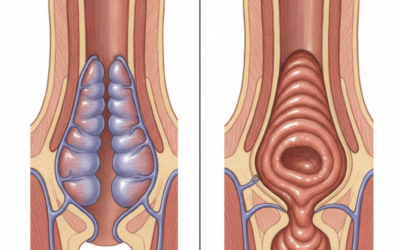
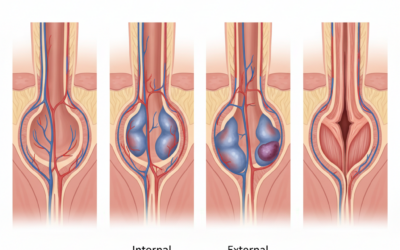
Hemorrhoids develop when there is increased pressure in the veins of the lower rectum and anus. These veins are a normal part of the body, but when they become swollen or enlarged, they can lead to symptoms such as bleeding, discomfort, or irritation.
This pressure doesn’t usually come from a single cause. Instead, hemorrhoids often develop due to a combination of lifestyle habits, physical strain, and natural changes in the body over time.
Common Causes of Hemorrhoids
Several underlying factors can contribute to the development of hemorrhoids. Understanding these can help explain why symptoms may appear or return.
Straining During Bowel Movements
One of the most common causes of hemorrhoids is straining, often related to constipation. When extra force is used during bowel movements, it places pressure on the rectal veins, which can cause them to swell.
Over time, repeated straining can make hemorrhoids more likely to develop or worsen.
Chronic Constipation
Constipation is closely linked to hemorrhoids. Hard stools can be difficult to pass, which often leads to straining and increased pressure in the rectal area.
In addition, infrequent bowel movements can prolong the amount of time pressure is applied to these veins, further contributing to irritation.
Prolonged Sitting
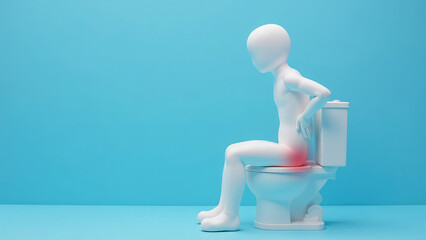
Sitting for long periods, especially on the toilet, can increase pressure on the veins in the lower rectum. This is why hemorrhoids are sometimes associated with sedentary lifestyles or jobs that involve extended sitting.
Even small adjustments, such as taking breaks to stand and move, may help reduce this pressure over time.
Pregnancy
Pregnancy is another common cause of hemorrhoids. As the body changes, increased pressure from the growing uterus can affect blood flow in the pelvic region.
Hormonal changes may also relax the walls of blood vessels, making them more likely to enlarge. For many individuals, hemorrhoids that develop during pregnancy may improve after delivery, though some symptoms can persist.
Aging
As we age, the tissues that support the veins in the rectal area may naturally weaken. This can make it easier for hemorrhoids to form, even without significant straining or other triggers.
Because of this, hemorrhoids tend to become more common over time.
Heavy Lifting and Physical Strain
Frequent heavy lifting or activities that involve increased abdominal pressure can contribute to hemorrhoids. This includes certain types of exercise or physically demanding work.
While staying active is important, proper technique and avoiding excessive strain can help reduce risk.
What Triggers Hemorrhoid Flare-Ups?
Even if hemorrhoids are already present, certain habits or conditions can trigger flare-ups or worsening symptoms.
Low-Fiber Diet
A diet low in fiber can lead to harder stools and increased straining, both of which can aggravate hemorrhoids. Fiber helps keep stools soft and easier to pass, reducing pressure on the veins.
Dehydration
Not drinking enough water can also contribute to constipation and make symptoms worse. Proper hydration supports healthy digestion and can help prevent unnecessary strain.
Delaying Bowel Movements
Ignoring the urge to have a bowel movement can lead to harder stools and increased pressure when you eventually go. Over time, this habit may contribute to hemorrhoid symptoms.
Extended Sitting or Inactivity
Spending long periods sitting, whether at a desk or during travel, can increase pressure in the lower rectum and contribute to discomfort.
Stress and Routine Changes
Changes in routine, travel, or stress can affect digestion and bowel habits. These shifts may indirectly contribute to constipation or irregularity, which can trigger symptoms.
Common Symptoms of Hemorrhoids
Hemorrhoid symptoms can vary depending on the type and severity of the condition. Some people may experience mild, occasional symptoms, while others notice more persistent issues.
Common symptoms include:
- Rectal bleeding, often noticed during bowel movements
- Itching or irritation in the anal area
- Swelling or a feeling of fullness
- Discomfort or pressure, especially when sitting
- Pain during bowel movements
In many cases, symptoms may come and go. However, recurring or worsening symptoms may indicate the need for a medical evaluation.
Why Do Hemorrhoids Keep Coming Back?
For some individuals, hemorrhoids can become a recurring issue. This often happens when the underlying causes, such as constipation, straining, or prolonged sitting, are still present.
Even if symptoms improve temporarily, the same conditions can lead to flare-ups again in the future.
This is why long-term management often focuses on:
- Improving bowel habits
- Reducing strain
- Addressing lifestyle factors
In some cases, additional treatment may be needed to provide more lasting relief.
When Should You Seek Treatment?
While mild hemorrhoids can sometimes improve with lifestyle changes, it may be helpful to seek medical care if you experience:
- Persistent or recurring bleeding
- Ongoing discomfort or irritation
- Symptoms that interfere with daily activities
- Hemorrhoids that do not improve with home care
A professional evaluation can help determine the cause of symptoms and guide appropriate treatment options.
Minimally Invasive Treatment for Hemorrhoids
At California Hemorrhoid Institute, we focus on advanced, minimally invasive treatment options designed to address hemorrhoids at their source.
Hemorrhoid Artery Embolization (HAE)
Hemorrhoid Artery Embolization is an image-guided procedure that reduces blood flow to the hemorrhoids by targeting the arteries that supply them.
By limiting this blood flow in a controlled and precise way, hemorrhoids may gradually shrink, and symptoms may improve over time.
This approach offers several potential advantages:
- No large surgical incisions
- Targeted treatment using imaging guidance
- Outpatient procedure
- Shorter recovery time for many patients
Our team carefully evaluates each patient to determine whether this approach may be appropriate based on their symptoms and overall health.
Finding the Cause Is the First Step
Understanding why hemorrhoids develop is an important part of finding relief. While lifestyle changes can help reduce risk and manage symptoms, some patients may benefit from medical treatment to address ongoing issues.
At California Hemorrhoid Institute in Irvine, CA, we provide expert evaluation and minimally invasive hemorrhoid treatment for patients throughout Orange County. Our goal is to help you better understand your condition and feel confident exploring your options.
If you are experiencing persistent symptoms or recurring hemorrhoids, scheduling a consultation may be the next step toward lasting relief.