Hemorrhoids are one of the most common causes of rectal discomfort and bleeding, but they are not the only explanation for these symptoms. Because hemorrhoids are so well known, many people assume that any pain, itching, or bleeding in the anal or rectal area must be caused by hemorrhoids. In reality, several other conditions can produce similar symptoms.
While some of these conditions are relatively minor, others require different treatments or further medical evaluation. Understanding the differences can help you recognize when it’s time to seek professional care instead of relying solely on over-the-counter remedies.
At California Hemorrhoid Institute, we encourage patients to seek an accurate diagnosis before assuming hemorrhoids are the cause of their symptoms. Here’s a closer look at several conditions that are commonly mistaken for hemorrhoids.
Why an Accurate Diagnosis Matters
Hemorrhoids and other anorectal conditions often share symptoms such as:
- Rectal bleeding
- Itching
- Swelling
- Discomfort during bowel movements
- Pain when sitting
- A feeling of fullness or irritation
Because these symptoms overlap, it can be difficult to determine the cause without a medical evaluation. Treating the wrong condition may delay appropriate care and allow symptoms to persist longer than necessary.
Fortunately, many of these conditions can be diagnosed with a thorough medical history and physical examination.
Anal Fissures
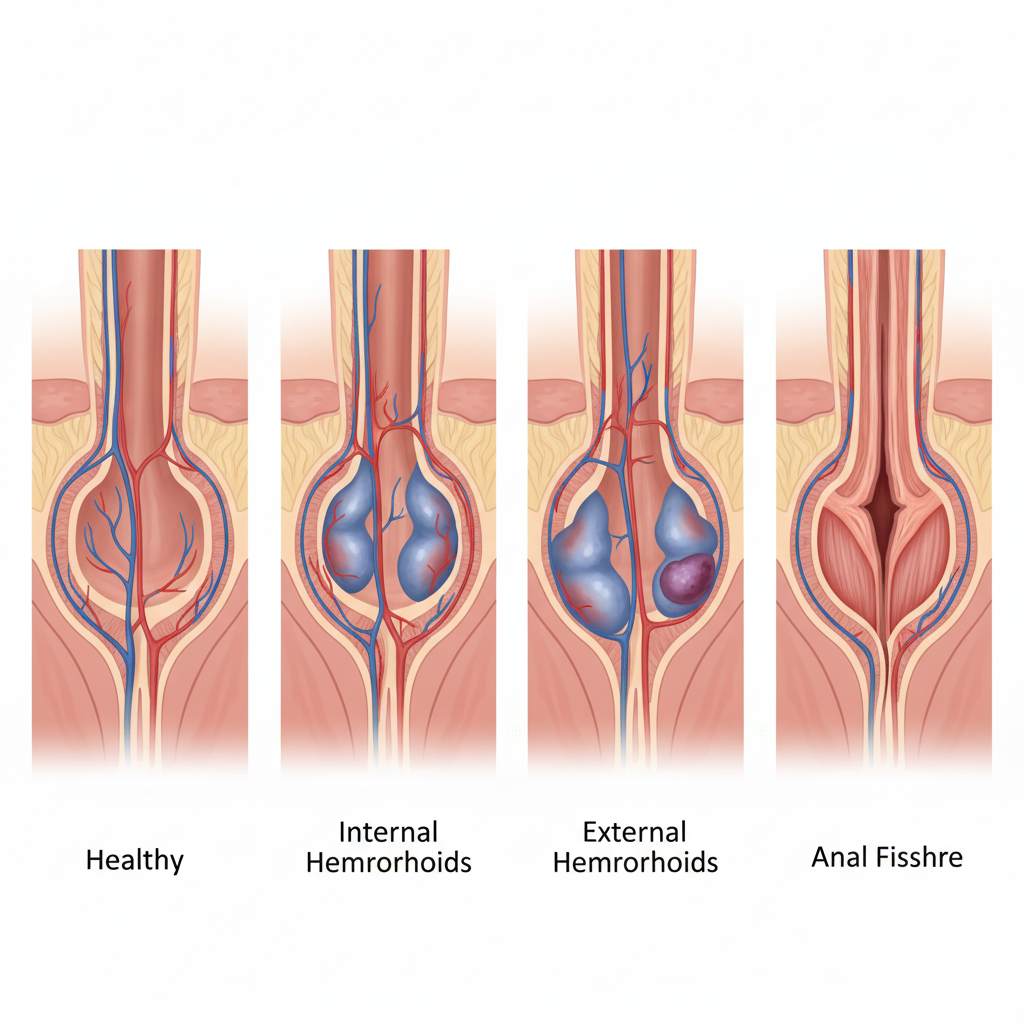
One of the most commonly confused conditions is an anal fissure. An anal fissure is a small tear in the lining of the anus, often caused by passing hard stools or repeated straining during bowel movements.
How It Differs from Hemorrhoids
Although both hemorrhoids and fissures can cause bright red bleeding, fissures are typically associated with:
- Sharp pain during bowel movements
- Burning discomfort that may continue afterward
- A small tear in the skin rather than swollen veins
Many acute fissures heal with conservative treatment, but chronic fissures may require additional medical care.
Skin Tags
Skin tags around the anus are another condition frequently mistaken for external hemorrhoids.
These small folds of skin are often harmless and may develop after a hemorrhoid has healed or following previous inflammation.
How They Differ
Unlike hemorrhoids, skin tags generally:
- Do not bleed
- Usually cause little or no pain
- Remain relatively unchanged over time
Some patients seek treatment if skin tags make hygiene more difficult or become irritated by clothing.
Anal Abscess
An anal abscess is an infected cavity that forms near the anus.
Although less common than hemorrhoids, an abscess requires prompt medical attention because it involves an active infection.
Symptoms May Include
- Increasing pain
- Swelling
- Warmth around the area
- Fever
- Drainage
Unlike hemorrhoids, an abscess often worsens quickly and is frequently accompanied by signs of infection.
Anal Fistula
An anal fistula is an abnormal tunnel that forms between the anal canal and the skin surrounding the anus. It often develops after an abscess has drained or healed.
Symptoms may include:
- Ongoing drainage
- Recurrent swelling
- Irritation
- Discomfort
- Repeated infections
Because fistulas involve an abnormal connection beneath the skin, they require a different treatment approach than hemorrhoids.
Rectal Prolapse
Rectal prolapse occurs when part of the rectum slips downward through the anal opening.
Because tissue may protrude externally, some patients initially believe they have prolapsed hemorrhoids.
Key Differences
Rectal prolapse often involves:
- A larger amount of tissue protruding
- Difficulty controlling bowel movements
- A feeling that something is “falling out”
- Symptoms that worsen over time
A physician can distinguish prolapse from hemorrhoids during an examination.
Perianal Dermatitis
Sometimes the problem isn’t hemorrhoids at all but rather skin irritation around the anus.
Perianal dermatitis may develop from:
- Excess moisture
- Certain soaps or wipes
- Allergic reactions
- Friction
- Skin conditions such as eczema
Symptoms often include:
- Persistent itching
- Redness
- Burning
- Skin irritation
Unlike hemorrhoids, dermatitis primarily affects the skin rather than the veins.
Pruritus Ani
Pruritus ani simply means persistent itching around the anus. While hemorrhoids can contribute to itching, pruritus ani itself is not a diagnosis but a symptom that may have many causes.
Possible contributors include:
- Skin irritation
- Excess moisture
- Dietary factors
- Fungal infections
- Hygiene-related issues
Treatment depends on identifying the underlying cause.
Inflammatory Bowel Disease (IBD)
Certain inflammatory bowel diseases, including Crohn’s disease and ulcerative colitis, can produce symptoms that resemble hemorrhoids.
These conditions may cause:
- Rectal bleeding
- Pain
- Frequent bowel movements
- Abdominal discomfort
- Inflammation around the rectum
Unlike hemorrhoids, inflammatory bowel disease affects the digestive tract more broadly and requires specialized medical management.
Colorectal Polyps
Polyps are growths that develop inside the colon or rectum.
Many polyps cause no symptoms, but some may produce:
- Rectal bleeding
- Changes in bowel habits
- Mucus discharge
Because bleeding from polyps may look similar to hemorrhoid bleeding, persistent bleeding should never automatically be attributed to hemorrhoids without medical evaluation.
Colorectal Cancer
Although hemorrhoids are a much more common cause of rectal bleeding, colorectal cancer can also produce similar symptoms.
Possible symptoms include:
- Persistent rectal bleeding
- Changes in bowel habits
- Unexplained weight loss
- Fatigue
- Ongoing abdominal discomfort
Experiencing rectal bleeding does not mean you have colorectal cancer. However, because multiple conditions can produce similar symptoms, persistent bleeding should always be evaluated by a healthcare provider rather than assumed to be hemorrhoids.
Early diagnosis is important for many gastrointestinal conditions, including colorectal cancer.
When Should You See a Specialist?
While occasional hemorrhoid symptoms may improve with conservative care, certain situations warrant professional evaluation.
You should consider scheduling an appointment if you experience:
- Bleeding that continues or repeatedly returns
- Persistent pain or swelling
- A lump that changes or enlarges
- Symptoms lasting more than a few weeks
- Symptoms that do not improve with home treatment
- Changes in bowel habits along with rectal bleeding
A proper diagnosis can help ensure you receive the treatment that best addresses the underlying cause of your symptoms.
How Hemorrhoids Are Diagnosed
Diagnosing hemorrhoids begins with a conversation about your symptoms and medical history.
Your healthcare provider may also perform:
- A visual examination
- A gentle physical examination when appropriate
- Additional testing if symptoms suggest another condition
The goal is not only to identify hemorrhoids but also to rule out other conditions that may require different treatment.
Treatment for Confirmed Hemorrhoids
Once hemorrhoids are confirmed as the cause of your symptoms, treatment recommendations depend on their type and severity.
Many patients improve with conservative measures such as:
- Increasing dietary fiber
- Drinking more water
- Avoiding excessive straining
- Regular exercise
- Warm sitz baths
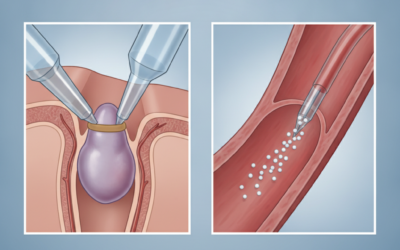
For persistent symptoms, additional treatment options may include office-based procedures or minimally invasive interventions.
At California Hemorrhoid Institute, we specialize in Hemorrhoid Artery Embolization (HAE), an image-guided procedure that reduces blood flow to the arteries supplying symptomatic hemorrhoids. By targeting the blood supply rather than removing hemorrhoidal tissue, HAE offers a minimally invasive treatment option for appropriately selected patients.
Don’t Guess. Get an Accurate Diagnosis
It’s easy to assume that rectal discomfort or bleeding is caused by hemorrhoids, but several other conditions can produce similar symptoms. While many are easily treatable, others require a different approach or more urgent medical attention.
If you’ve been treating what you believe are hemorrhoids without improvement, or if your symptoms continue to return, it may be time to seek a professional evaluation.
At California Hemorrhoid Institute, we provide comprehensive assessments and personalized treatment recommendations for patients throughout Orange County. Whether your symptoms are caused by hemorrhoids or another condition, our goal is to provide clear answers and help you move forward with confidence. If hemorrhoids are confirmed, we’ll discuss the treatment options available, including Hemorrhoid Artery Embolization, to determine the approach that’s right for you. Reach out today to learn more.