Seeing blood after a bowel movement or experiencing ongoing rectal discomfort can be unsettling. For many people, the first thought is that they have hemorrhoids. While hemorrhoids are one of the most common causes of rectal bleeding, similar symptoms can also occur with other conditions, including colon cancer.
It’s important to remember that most cases of rectal bleeding are not caused by colon cancer. However, because the symptoms of these conditions can overlap, it’s never a good idea to assume hemorrhoids are the cause without a proper medical evaluation.
At California Hemorrhoid Institute, we believe that patient education plays an important role in early diagnosis and peace of mind. Understanding the differences between hemorrhoids and colon cancer can help you recognize when it’s appropriate to seek medical care.
What Are Hemorrhoids?
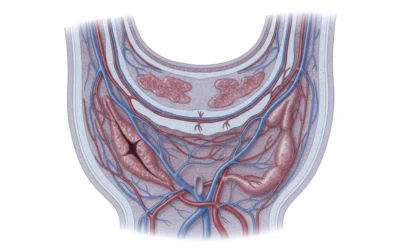
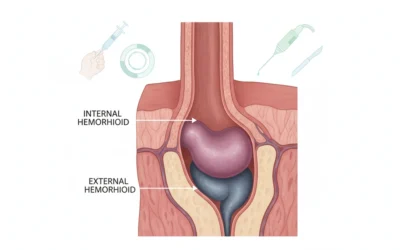
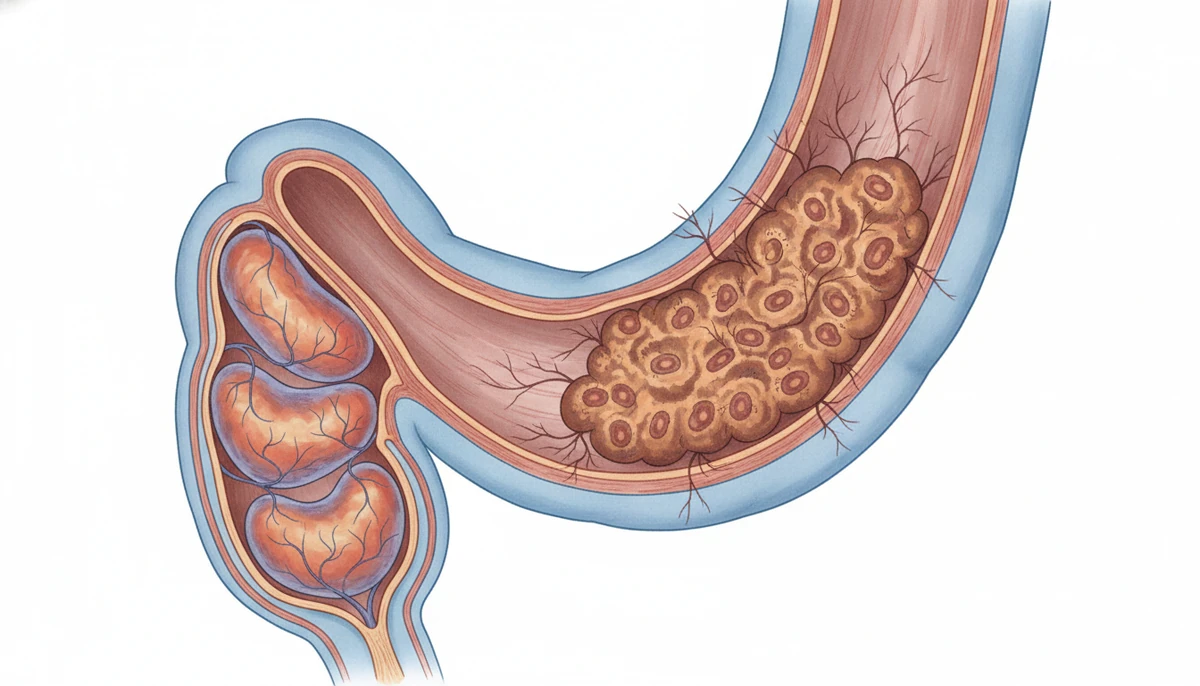
Hemorrhoids are swollen veins located in the lower rectum or around the anus. They develop when increased pressure causes these veins to enlarge, which can happen because of chronic constipation, straining during bowel movements, pregnancy, prolonged sitting, obesity, or aging.
Hemorrhoids are extremely common and often cause symptoms that come and go.
Common hemorrhoid symptoms include:
- Bright red blood during or after a bowel movement
- Itching or irritation around the anus
- Swelling
- Discomfort or tenderness
- A feeling of fullness near the rectum
Internal hemorrhoids often cause painless bleeding, while external hemorrhoids are more likely to produce discomfort or tenderness.
What Is Colon Cancer?
Colon cancer develops when abnormal cells grow within the lining of the colon or rectum. Over time, these cells may form a tumor and, if left untreated, can spread to other parts of the body.
Like many cancers, colon cancer often develops slowly. In its early stages, it may cause few or even no noticeable symptoms, which is why routine screening plays such an important role.
When symptoms do occur, they may overlap with several other gastrointestinal conditions, including hemorrhoids.
Symptom: Rectal Bleeding
Rectal bleeding is one of the biggest reasons patients confuse hemorrhoids with colon cancer.
Hemorrhoids
Bleeding from hemorrhoids is typically:
- Bright red in color
- Seen on toilet paper or in the toilet bowl
- Associated with bowel movements
- Intermittent
Many patients notice bleeding after straining or passing a hard stool.
Colon Cancer
Colon cancer may also cause rectal bleeding, but the pattern is often different.
Bleeding may:
- Occur repeatedly
- Be mixed with the stool
- Sometimes appear darker depending on where the bleeding originates
- Occur alongside other concerning symptoms
Because bleeding patterns vary, it is not possible to determine the cause based on appearance alone. Any persistent or unexplained rectal bleeding deserves medical evaluation.
Symptom: Pain
Pain can also differ between these conditions.
Hemorrhoids
Hemorrhoids may cause:
- Irritation
- Tenderness
- Swelling
- Pain during bowel movements, particularly with external hemorrhoids
Many people notice discomfort while sitting or after prolonged activity.
Colon Cancer
Colon cancer is less likely to cause pain early in the disease. If pain develops, it may present as:
- Ongoing abdominal discomfort
- Cramping
- A feeling of fullness
- Pain related to bowel obstruction in more advanced cases
Pain alone is rarely enough to distinguish between the two conditions, which is why a full evaluation is important.
Changes in Bowel Habits
One of the biggest differences involves bowel habits. Hemorrhoids themselves generally do not change how the bowels function. Although discomfort may make bowel movements unpleasant, hemorrhoids are not typically associated with major changes in stool frequency or consistency.
Colon cancer, however, may be accompanied by:
- Persistent constipation
- Ongoing diarrhea
- Narrow stools
- A feeling that the bowel does not empty completely
- Lasting changes in bowel habits
These changes can occur for many reasons, not just colon cancer, but they should always be discussed with a healthcare provider if they persist.
Unexplained Weight Loss
Hemorrhoids do not cause weight loss.
If someone experiences:
- Unintentional weight loss
- Reduced appetite
- Persistent fatigue
along with rectal bleeding or bowel changes, additional medical evaluation is recommended to determine the underlying cause. While many non-cancerous conditions can contribute to these symptoms, they should not be ignored.
Fatigue
Another difference involves fatigue. Hemorrhoids themselves generally do not cause significant fatigue. However, heavy or prolonged hemorrhoid bleeding over time may contribute to anemia in some individuals.
Colon cancer may also lead to anemia, particularly if bleeding occurs slowly over an extended period. This can result in symptoms such as:
- Fatigue
- Weakness
- Shortness of breath during activity
Because anemia has many possible causes, laboratory testing may be recommended during evaluation.
Risk Factors
Understanding risk factors can also provide helpful context.
Risk Factors for Hemorrhoids
Hemorrhoids are more likely in people who:
- Strain during bowel movements
- Have chronic constipation
- Sit for long periods
- Are pregnant
- Eat a low-fiber diet
- Frequently lift heavy objects
Risk Factors for Colon Cancer
Risk factors for colon cancer may include:
- Increasing age
- Personal or family history of colorectal cancer
- Certain inherited genetic conditions
- Inflammatory bowel disease
- Lifestyle factors such as smoking, obesity, and physical inactivity
Having risk factors does not mean someone will develop colon cancer, but they may influence screening recommendations.
Why Self-Diagnosis Can Be Risky
One of the biggest mistakes patients make is assuming rectal bleeding is “just hemorrhoids.” While hemorrhoids are a common explanation, other conditions, including polyps, inflammatory bowel disease, diverticular disease, anal fissures, and colorectal cancer, can produce similar symptoms.
Treating yourself with over-the-counter hemorrhoid creams without first confirming the diagnosis may delay appropriate care if another condition is present. Receiving an accurate diagnosis allows treatment to begin sooner and helps provide peace of mind.
When Should You See a Doctor?
You should schedule a medical evaluation if you experience:
- Rectal bleeding that persists or repeatedly returns
- A noticeable change in bowel habits
- Ongoing abdominal pain
- Unexplained weight loss
- Persistent fatigue
- Symptoms that do not improve with home treatment
- New rectal symptoms after age 45 or according to your provider’s recommended screening schedule
Even if hemorrhoids are the most likely explanation, a healthcare provider can confirm the diagnosis and determine whether additional testing is appropriate.
What Happens During an Evaluation?
A physician will begin by discussing your symptoms and medical history.
Depending on your situation, your evaluation may include:
- A physical examination
- A visual examination of the anal area
- A digital rectal examination when appropriate
- Additional testing or referral for colorectal screening if indicated
The goal is not only to diagnose hemorrhoids but also to identify or rule out other conditions that may require different treatment.
Treatment for Hemorrhoids
If hemorrhoids are confirmed, treatment depends on the severity of symptoms.
Many mild cases improve with:
- Increased dietary fiber
- Better hydration
- Regular physical activity
- Avoiding prolonged straining
- Warm sitz baths
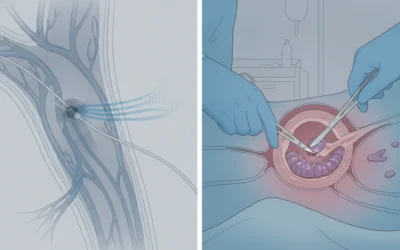
For persistent symptoms, additional treatments may be considered. At California Hemorrhoid Institute, we specialize in Hemorrhoid Artery Embolization (HAE), a minimally invasive procedure that reduces blood flow to the arteries supplying symptomatic hemorrhoids. Using advanced imaging guidance, physicians precisely target the blood vessels contributing to hemorrhoid enlargement, helping the hemorrhoids gradually shrink over time. This is a great alternative to invasive options like banding, which require accessing the rectum directly.
For appropriately selected patients, HAE may offer an alternative to traditional hemorrhoid surgery.
Don’t Ignore Persistent Symptoms
Hemorrhoids are common and are often responsible for rectal bleeding and discomfort. However, they are not the only possible cause. Colon cancer and several other gastrointestinal conditions can produce similar symptoms, making an accurate diagnosis essential.
The good news is that most cases of rectal bleeding are not caused by colon cancer, but persistent bleeding, ongoing changes in bowel habits, unexplained weight loss, or lasting fatigue should always be evaluated by a healthcare professional.
At California Hemorrhoid Institute, we provide compassionate evaluations for patients experiencing hemorrhoid symptoms and work closely with each individual to determine the most appropriate next steps. If hemorrhoids are identified as the cause, we’ll discuss the available treatment options, including Hemorrhoid Artery Embolization, to help you find lasting relief while ensuring your symptoms receive the attention they deserve. Contact us today for a consultation and see if HAE is the right course of care for you.