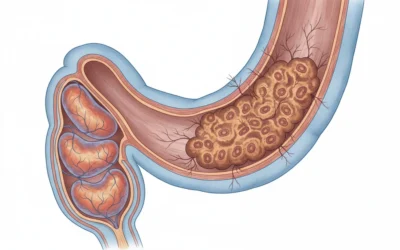
Experiencing sharp pain during a bowel movement can be both uncomfortable and concerning. While occasional discomfort may result from constipation or temporary irritation, persistent or severe pain should not be ignored. Several conditions can cause pain in the rectal area, and identifying the underlying cause is the first step toward finding relief.
Many people immediately assume hemorrhoids are to blame, but sharp pain during bowel movements can have several possible causes, including anal fissures, infections, inflammatory conditions, or other gastrointestinal disorders. Because these conditions often share similar symptoms, it’s important to receive an accurate diagnosis rather than relying on self-treatment alone.
At California Hemorrhoid Institute, we help patients understand the source of their symptoms and explore treatment options when hemorrhoids or other anorectal conditions are affecting their quality of life. Here’s what you should know about sharp pain during bowel movements and when it’s time to seek medical care.
Is Sharp Pain During a Bowel Movement Normal?
Occasional discomfort may happen from time to time, particularly after passing a hard stool. However, sharp or recurring pain during bowel movements is not considered a normal part of digestive health.
Pain that occurs repeatedly or becomes more severe may indicate an underlying condition that requires evaluation. The discomfort may occur only during bowel movements, continue afterward, or even persist throughout the day depending on the cause.
Rather than trying to diagnose the problem yourself, it’s important to pay attention to other symptoms and consult a healthcare provider if the pain continues.
Hemorrhoids
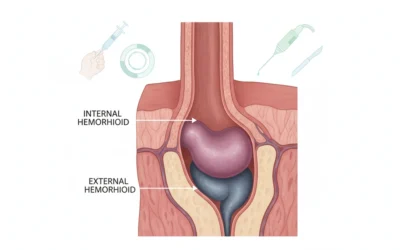
One of the most common causes of rectal discomfort is hemorrhoids. Hemorrhoids are swollen veins located in the lower rectum or around the anus. While internal hemorrhoids often cause painless bleeding, external hemorrhoids are more likely to produce discomfort, tenderness, or irritation.
Symptoms may include:
- Pain or soreness around the anus
- Swelling
- Itching
- Bright red bleeding
- Discomfort when sitting
If an external hemorrhoid develops a blood clot (called a thrombosed hemorrhoid), the pain can become much more noticeable and may appear suddenly.
Although hemorrhoids can cause discomfort during bowel movements, sharp pain is not always their most common symptom, making it important to consider other possible causes.
Anal Fissures
An anal fissure is one of the most common causes of sharp pain during bowel movements. A fissure is a small tear in the lining of the anus that often develops after passing a hard or large stool.
Common symptoms include:
- Sharp or burning pain during bowel movements
- Pain that continues for minutes or hours afterward
- Bright red bleeding on toilet paper
- Muscle spasms around the anus
Many patients describe fissure pain as feeling like a cut or tearing sensation. Fortunately, many fissures improve with conservative treatment, although chronic fissures sometimes require additional medical care.
Constipation
Constipation itself can be painful. Hard, dry stools are more difficult to pass and may stretch the anal canal, causing discomfort during bowel movements.
Constipation also contributes to increased straining, which can worsen hemorrhoids or increase the risk of developing an anal fissure.
Increasing fiber intake, staying hydrated, and maintaining regular physical activity may help reduce constipation for many people.
Thrombosed External Hemorrhoids
Occasionally, blood may clot inside an external hemorrhoid. This condition is known as a thrombosed external hemorrhoid.
Symptoms often include:
- Sudden severe pain
- A firm lump near the anus
- Swelling
- Tenderness
Although the pain may gradually improve over time, patients experiencing severe symptoms should seek medical evaluation to determine the most appropriate treatment.
Infections and Abscesses
An infection near the anus can also cause significant pain. An anal abscess occurs when bacteria infect a gland near the anus, leading to a collection of pus.
Symptoms may include:
- Constant pain that often worsens over time
- Swelling
- Redness
- Fever
- Drainage
Unlike hemorrhoids, abscesses usually require prompt medical treatment.
Inflammatory Bowel Disease
Inflammatory bowel diseases such as Crohn’s disease and ulcerative colitis may also cause pain during bowel movements.
These chronic conditions affect the digestive tract and may produce symptoms including:
- Rectal bleeding
- Diarrhea
- Abdominal pain
- Weight loss
- Fatigue
- Inflammation around the anus
Because inflammatory bowel disease affects more than just the rectal area, treatment differs significantly from hemorrhoid care.
Rectal Prolapse
Rectal prolapse occurs when part of the rectum slips downward through the anal opening.
Patients may experience:
- Pressure
- Pain during bowel movements
- Tissue protruding from the anus
- Difficulty controlling bowel movements
Although rectal prolapse can resemble prolapsed hemorrhoids, it is a separate condition that requires different treatment.
Could It Be Something More Serious?
While hemorrhoids and fissures account for many cases of rectal pain, persistent symptoms should never be dismissed.
Other conditions, including colorectal polyps, infections, inflammatory disorders, and colorectal cancer, can sometimes cause rectal bleeding or discomfort.
It’s important to remember that experiencing pain does not automatically mean you have a serious illness. However, because multiple conditions can produce similar symptoms, a proper evaluation is the safest way to identify the cause.
Signs You Should See a Doctor
You should consider scheduling an evaluation if you experience:
- Sharp pain during multiple bowel movements
- Pain that lasts for hours afterward
- Persistent rectal bleeding
- Swelling or a lump that does not improve
- Fever or drainage
- Symptoms lasting longer than a few weeks
- Changes in bowel habits along with rectal pain
Seeking care early may allow treatment to begin before symptoms become more severe.
How Your Doctor May Diagnose the Cause
The first step is understanding your symptoms.
Your healthcare provider may ask questions about:
- When the pain occurs
- Whether bleeding is present
- Your bowel habits
- Previous episodes
- Medical history
A physical examination may also be performed to determine whether hemorrhoids, an anal fissure, or another condition is responsible. If necessary, additional testing may be recommended to rule out other gastrointestinal disorders.
Treatment Depends on the Underlying Cause
Because several different conditions can cause sharp pain during bowel movements, treatment depends entirely on the diagnosis.
For hemorrhoids, conservative treatment may include:
- Increasing dietary fiber
- Drinking more water
- Avoiding prolonged straining
- Warm sitz baths
- Regular exercise
For anal fissures, treatment may focus on promoting healing through stool softening, dietary changes, and prescription medications when appropriate. More complex conditions, such as infections or rectal prolapse, require different medical or surgical approaches. Receiving an accurate diagnosis helps ensure the most appropriate treatment plan.
A Minimally Invasive Option for Hemorrhoids
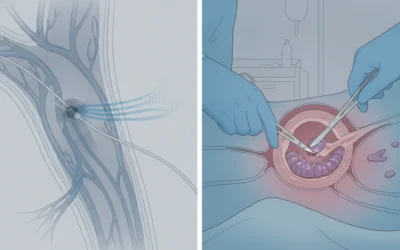
If hemorrhoids are identified as the source of persistent symptoms, additional treatment options may be available. At California Hemorrhoid Institute, we specialize in Hemorrhoid Artery Embolization (HAE), a minimally invasive procedure performed by physicians trained in interventional radiology.
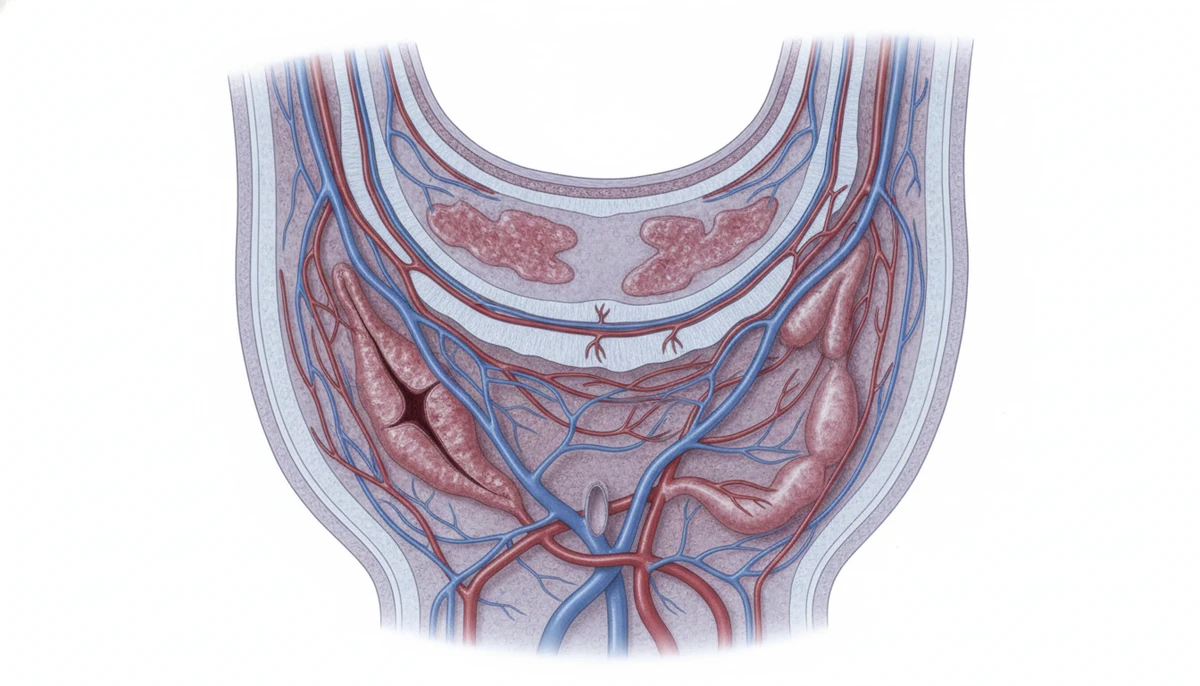
Rather than cutting away, banding, or directly treating hemorrhoidal tissue, Hemorrhoid Artery Embolization takes a different approach: it targets the blood supply contributing to the hemorrhoids. Using advanced imaging guidance, the physician navigates a small catheter through the blood vessels to precisely identify the arteries supplying the symptomatic hemorrhoids. These vessels are then treated to reduce excess blood flow, allowing the hemorrhoids to gradually shrink and symptoms such as bleeding to improve.
For appropriate candidates, this approach offers several advantages over more traditional hemorrhoid procedures. Unlike hemorrhoidectomy, HAE does not require surgical removal of hemorrhoidal tissue or large incisions in the rectal area, which can mean less post-procedure discomfort and a shorter recovery for many patients. And unlike rubber band ligation, which treats individual internal hemorrhoids by placing bands directly around the tissue, HAE works from inside the blood vessels and does not require direct manipulation of the hemorrhoids themselves.
HAE is typically performed as an outpatient procedure, allowing patients to return home the same day. Because the treatment is targeted, image-guided, and tissue-preserving, it can be an appealing option for patients who want effective relief while minimizing the disruption associated with traditional hemorrhoid surgery.
Don’t Ignore Persistent Pain
Sharp pain during bowel movements is your body’s way of signaling that something may need attention. While hemorrhoids are a common cause of rectal discomfort, they are only one of several possible explanations. Anal fissures, infections, inflammatory conditions, and rectal prolapse can all produce similar symptoms, making an accurate diagnosis essential.
At California Hemorrhoid Institute, we provide comprehensive evaluations and personalized care for patients experiencing hemorrhoid symptoms and other anorectal concerns. If hemorrhoids are confirmed, we’ll discuss the treatment options available, including Hemorrhoid Artery Embolization, to determine whether a minimally invasive approach may be right for you.
If you’ve been experiencing ongoing pain during bowel movements, don’t continue to wonder what’s causing it. Scheduling an evaluation can provide answers, peace of mind, and a clear path toward lasting relief.